
Dry Skin as an Early Warning Signal: What Happens Before the Rash Appears?
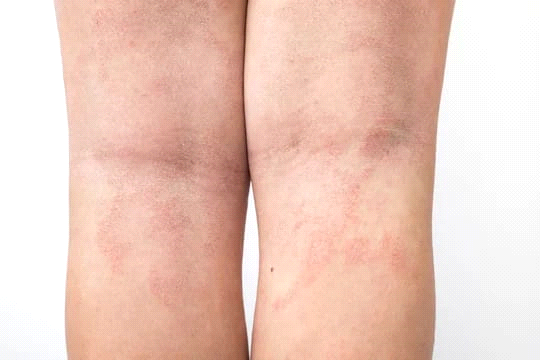
Most parents think eczema begins the day they notice the first red, itchy rash. That seems like a perfectly reasonable assumption because the rash is the first obvious sign that something is wrong. But scientists are now discovering that eczema often begins long before parents can actually see it. In many babies, the skin has already been changing quietly beneath the surface for weeks or even months before the first patch of redness appears. Those early changes are usually invisible, but they are far from insignificant. In many cases, persistent dry skin is one of the very first clues that the skin’s natural protective system is already under pressure.
One of the biggest breakthroughs in eczema research has come from following babies from birth rather than waiting until they develop symptoms. By tracking skin health over many months, researchers have been able to watch the earliest stages of eczema unfold in real time. What they discovered was both fascinating and important. Babies who eventually developed eczema often showed measurable differences long before any visible rash appeared. Their skin barrier was already weaker, their immune system was behaving differently, and the balance of microbes living on their skin and inside their gut had already begun to change. In other words, the rash was not the beginning of the condition; it was simply the point at which the underlying process became impossible to ignore.
During this hidden stage, several important changes are already taking place inside the skin. The outer protective layer may be thinner or less organised than it should be, making it easier for moisture to escape. At the same time, the immune system begins producing chemical signals that encourage the type of inflammation commonly associated with eczema and allergies. Researchers have also found early changes in the skin microbiome, with fewer beneficial bacteria and a gradual increase in microbes linked to skin flare-ups. Similar shifts often occur in the gut microbiome as well, highlighting just how closely these different body systems work together. None of these changes are usually visible to parents, yet they are already shaping how the skin will respond in the months ahead.
One large study published in 2024 followed babies who had a higher-than-average risk of developing eczema because of their family history. At just four weeks of age, none of the babies had visible eczema. However, researchers measured several aspects of their skin, including water loss, hydration, and the balance of protective skin fats. Babies whose skin barrier showed early signs of weakness were significantly more likely to develop eczema before their first birthday. Interestingly, those skin measurements turned out to be an even stronger predictor than family history alone. That finding reinforces an important message: what is happening within the skin today may tell us more about tomorrow than what we can see with our eyes.
So what actually happens when the skin barrier becomes weak? The answer is surprisingly simple. A healthy skin barrier acts like a well-built brick wall, keeping moisture inside while blocking unwanted substances from entering. When tiny gaps begin to appear in that wall, everyday particles such as dust, pollen, soaps, and even microscopic food proteins can slip through more easily. Skin cells recognise these intruders and release chemical signals that alert the immune system. At first, this creates only a quiet, low-level inflammatory response, but over time that constant immune activity can prepare the body to react more strongly, eventually leading to the redness, itching, and irritation we recognise as eczema.
The story doesn’t stop at the skin. Scientists now understand that the gut and the skin communicate with each other far more closely than anyone once imagined. Babies who later develop eczema often have a less diverse collection of beneficial bacteria living in their gut from the very beginning of life. These helpful bacteria produce important compounds known as short-chain fatty acids, which help regulate the immune system, strengthen the skin barrier, and reduce unnecessary inflammation. When there are fewer of these beneficial microbes, the skin barrier may become even more vulnerable. This gut-skin relationship helps explain why eczema is increasingly being viewed as more than just a skin condition.
Food sensitivities may also become part of the picture much earlier than many parents realise. Some babies can react to tiny amounts of proteins from foods such as cow’s milk or eggs that pass into breast milk, even though they have never eaten those foods directly. In some cases, the first sign isn’t obvious digestive upset or hives but persistent dry, sensitive skin that never quite seems to improve. Researchers also believe that once the skin barrier becomes weakened, food proteins entering through the skin itself may contribute to the development of future food allergies. While this doesn’t happen in every baby, it highlights just how interconnected the skin, immune system, and environment really are. The skin is not simply protecting the body. It is actively teaching the immune system how to respond to the outside world.
Perhaps the most helpful way to think about dry skin is to compare it to a smoke detector. A smoke detector alarm does not always mean the house is on fire. Instead, it alerts you that something needs your attention before a much bigger problem develops. Persistent dry skin often works in much the same way. It tells us that the skin barrier may be under strain and that the body’s protective systems could benefit from additional support. Paying attention to those early signals doesn’t mean expecting the worst. It simply means recognising that early understanding often creates the best opportunity to support healthy skin before more significant problems have a chance to develop.
Ready to Look Beyond the Skin?
If this article has changed the way you think about baby eczema, I invite you to continue the journey by downloading my free ebook, Beyond the Skin Barrier. It explains the science behind baby eczema in simple, practical language and explores how the skin barrier, immune system, gut, microbiome, and environment work together to influence your child’s skin health. You’ll also learn about the philosophy behind the Itch-A-Bye™ Skin Trifecta Method™ and why taking a broader view of eczema can help parents make more informed decisions. The book is completely free and has been written specifically for parents who want to understand why their child’s skin behaves the way it does—not just how to manage the next flare-up. If you’re ready to move beyond guesswork and gain a deeper understanding of your child’s skin, download your free copy today. Visit www.itchabye.com/free-book and start reading Beyond the Skin Barrier.