
Baby Dry Skin in Winter: Why Cold Weather Can Make It Worse
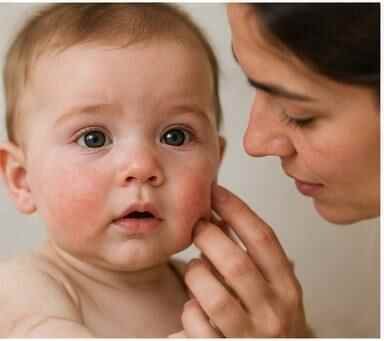
Winter can be particularly difficult when your baby already has dry skin. You may notice that cheeks which looked soft during warmer months suddenly become rough, flaky or red, while the arms and legs seem to need moisturising more often. Cold outdoor air usually contains less moisture, while indoor heating can make the environment even drier. Moving repeatedly between these two environments can place additional pressure on a baby’s developing skin barrier. Understanding why this happens can help you make a few practical changes before winter dryness becomes an ongoing cycle.
Why Does Baby Skin Become Drier in Winter?
A baby’s skin barrier is thinner and still developing, which means it can lose moisture more readily than mature adult skin. During winter, lower humidity can increase the challenge because there is less moisture in the surrounding air. Heating inside the home can reduce humidity further, particularly when rooms are kept very warm for long periods. When the skin cannot retain enough water, its surface may begin to feel rough, tight or flaky. For babies who already have dry, itchy and eczema-prone skin, these seasonal changes may be even more noticeable.
Those Red Winter Cheeks Can Tell You Something
The cheeks are often one of the first places parents notice winter dryness because they remain exposed when much of the baby’s body is covered. Cold air, wind and repeated movement between outdoor and heated indoor environments can leave the cheeks looking rough or flushed. Saliva, milk and frequent wiping around the mouth can add another layer of irritation, particularly when the barrier is already dry. Rather than repeatedly washing or rubbing the cheeks, clean them gently when necessary and provide regular moisturising support. If the redness becomes persistent, itchy or inflamed, however, it may be more than ordinary seasonal dryness.
Indoor Heating Can Be Part of the Problem
When the temperature drops, our instinct is naturally to make the house warm and comfortable for a baby. The problem is that heavily heated rooms can become quite dry, and that dry environment may contribute to moisture loss from the skin. Your baby does not need to feel cold, but the room also does not need to be excessively warm. Pay attention to whether your baby’s skin seems particularly dry after spending long periods in heated rooms. Sometimes adjusting the environment can complement the moisturising routine you are already using.
Be Careful Not to Overdress Your Baby
Winter clothing protects babies from the cold, but too many layers can create a different problem. A heavily bundled baby may become hot and sweaty underneath their clothing, and heat can aggravate itching in eczema-prone skin. Sweat, friction and tight clothing can also make already irritated areas feel more uncomfortable. Dress your baby appropriately for the conditions and check their chest or back rather than relying only on cold hands or feet to judge how warm they are. Keeping a baby comfortably warm is different from keeping them hot.
Choose Clothing That Feels Gentle Against the Skin
Winter means more clothing is in contact with your baby’s skin for longer periods of the day. Rough fabrics, scratchy seams and heavy garments may create friction against areas that are already dry or irritated. Soft, breathable clothing against the skin can help reduce unnecessary rubbing while warmer layers can be added over the top when needed. Pay particular attention to the neck, wrists, ankles and other places where clothing repeatedly rubs. Sometimes a persistent patch of winter irritation has a very ordinary physical trigger.
Winter Bathing Needs a Gentle Touch
A long hot bath can seem especially appealing on a cold evening, but very warm water can leave dry baby skin feeling even more depleted afterwards. Keep bath water comfortably warm rather than hot and avoid assuming that a longer bath is better for the skin. Strong soaps, fragranced bubble baths and excessive cleansing can also remove some of the oils that help protect the skin’s surface. Gently pat your baby dry rather than rubbing with the towel. Winter bath time should leave the skin comfortable rather than tight and thirsty.
Moisturising May Need to Increase During Winter
A routine that worked perfectly during summer may not provide enough support when the weather becomes colder and drier. If your baby’s skin begins feeling rough again between applications, you may need to moisturise more consistently during winter. Applying moisturiser after bathing is a useful habit, but you do not have to wait until bath time if the cheeks, arms or legs become noticeably dry during the day. The aim is to support the barrier before the skin reaches the stage of becoming severely flaky or uncomfortable. Let the condition of your baby’s skin guide how much support it needs.
Watch the Hands, Ankles and Other Exposed Areas
Parents often focus on the face, but winter dryness can appear almost anywhere. Hands can become dry from exposure and repeated cleaning, while ankles and wrists may be affected by both dryness and clothing friction. The lower legs can also become rough even when they spend most of the day beneath clothing. When moisturising, take a moment to look at the whole body rather than treating only the most obvious patch. Early dry areas are generally easier to support than skin that has already become cracked and irritated.
Winter Dryness and Eczema Can Look Similar
Simple winter dryness can cause roughness and flaking, but eczema commonly involves dryness together with itching, redness and inflammation. A baby who cannot tell you they are itchy may rub their face against bedding, your shoulder or their clothing. You may also notice repeated scratching, disturbed sleep or areas that improve and then flare again. Seasonal weather can aggravate eczema, which means winter may expose a pattern that was less obvious during warmer months. Persistent itchy or inflamed skin deserves more attention than ordinary temporary dryness.
Look Beyond the Weather
Cold weather can contribute to dry skin, but it should not automatically become the explanation for every recurring skin problem during winter. Baby eczema can involve the skin barrier, immune signalling, microbial pressures, environmental exposures and individual sensitivities. The gut skin axis and developing microbiome may also form part of the wider picture in some children, although research in these areas continues to evolve. This is why persistent eczema-prone skin may require more than simply turning down the heater or applying additional moisturiser. Winter may increase the pressure on the skin without necessarily being the underlying reason the skin is vulnerable.
Think Repair, Nourish and Defend
At Itch-A-Bye, we approach dry, itchy and eczema-prone baby skin through the Skin Trifecta: Repair, Nourish and Defend. Repair means supporting the physical skin barrier so it can retain moisture and recover from the additional environmental pressure winter can create. Nourish means providing the moisture and supportive care the skin needs rather than repeatedly allowing it to become severely depleted. Defend means helping vulnerable skin defend against bacteria, fungus and other microbes while reducing pressures such as overheating, friction, harsh cleansing and environmental irritation. Winter skincare becomes much easier to understand when these three needs are considered together.
Where Itch-A-Bye Fits
Itch-A-Bye Baby Repair Cream was developed as a topical expression of Repair, Nourish and Defend for dry, itchy and eczema-prone baby skin. Made with all-natural ingredients and plant botanicals, it is designed to provide gentle daily support for vulnerable skin without turning a baby’s routine into a complicated collection of products. During winter, it can form part of a consistent moisturising routine alongside gentle bathing, appropriate clothing and attention to the home environment. It is not intended to replace prescribed treatment or suggest that every recurring skin problem can be solved with a cream. The aim is to support the skin while continuing to consider the wider factors that may be contributing to persistent symptoms.
When Winter Dry Skin Needs Professional Attention
Seasonal dryness should not simply be ignored if your baby’s skin continues to deteriorate. Seek professional advice if areas become intensely itchy, very red, painful, cracked, weeping or crusted, or if the rash is spreading rather than settling. The same applies if itching repeatedly interferes with sleep or your baby appears generally unwell. These changes can indicate eczema, infection or another condition that needs proper assessment rather than continued experimentation with skincare products. A healthcare professional can help you distinguish ordinary winter dryness from something requiring additional treatment.
Keep Winter Skincare Simple
You do not need an entirely new skincare cupboard every time the temperature falls. Start by keeping baths comfortably warm, avoiding unnecessary fragrance and harsh cleansers, choosing soft clothing, preventing overheating and moisturising consistently. Pay attention to the environment as well as the skin itself, particularly if your home becomes very warm and dry during winter. Watch for the difference between simple roughness and a recurring pattern of dryness, redness and itching. The goal is not perfect-looking skin every moment of winter, but comfortable skin with a barrier that is being supported rather than continually challenged.
Repair the barrier. Nourish the skin. Defend vulnerable skin.
This article is provided for educational and informational purposes only and is not medical advice. If you are concerned about your baby’s skin or health, seek advice from an appropriately qualified healthcare professional.