
Can Baby Wipes Make Eczema Worse? What Parents Should Look For in Wipes for Dry, Itchy and Eczema-Prone Skin
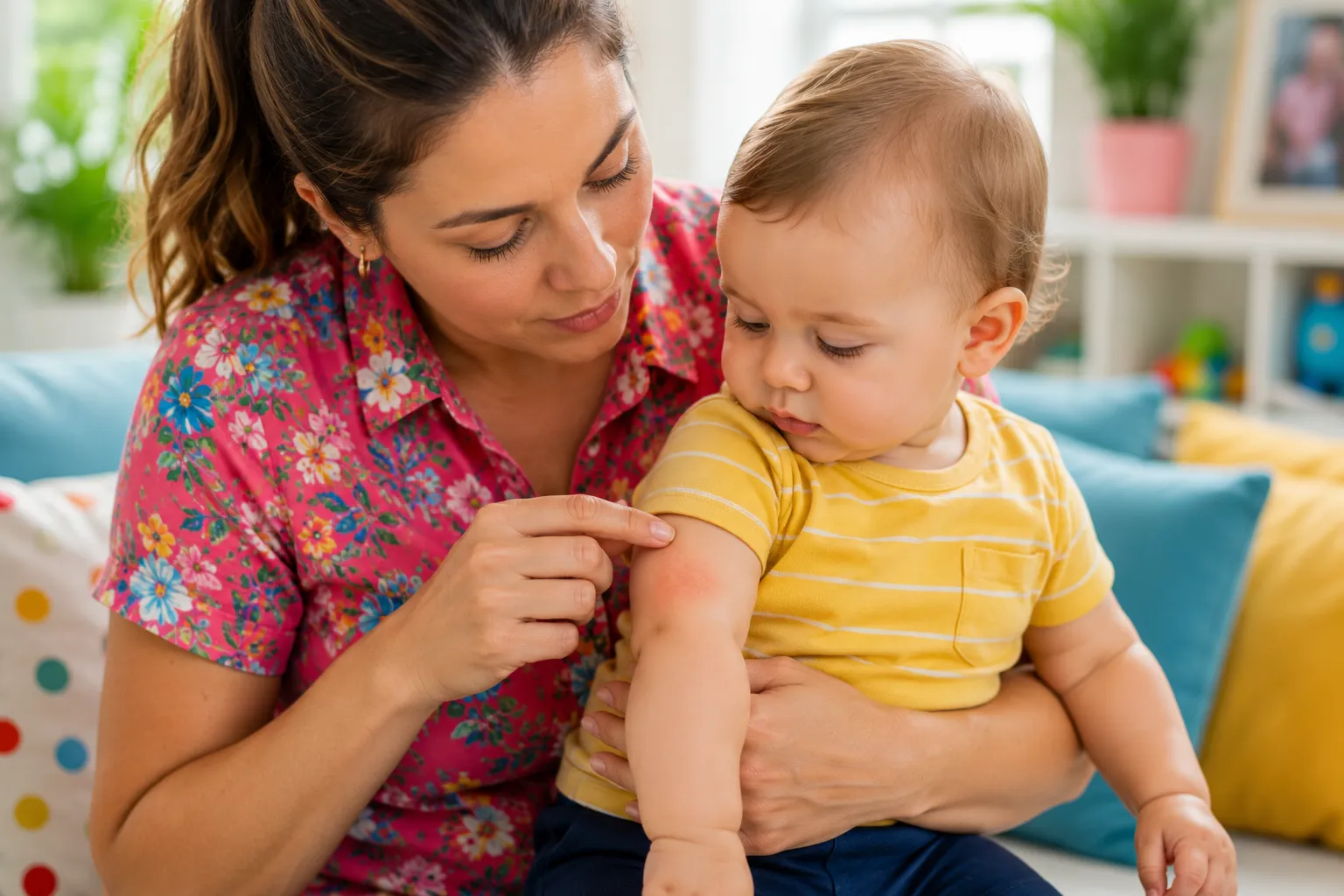
Baby wipes are one of those everyday products parents use without thinking twice. They are convenient, quick and often seem gentler than soap and water. But when a baby already has dry, itchy or eczema-prone skin, even something as simple as a wipe can sometimes become part of the problem. That can leave parents wondering whether the wipes themselves are making the skin worse.
The answer is that some wipes may irritate vulnerable skin, especially when they are used repeatedly on areas that are already dry, inflamed or rubbed by clothing and nappies. That does not mean all wipes are bad or that every baby with eczema needs to avoid them. It means the ingredients, frequency of use and condition of the skin all matter. For some babies, wipes can become one more pressure added to an already sensitive skin barrier.
Why Baby Wipes Can Matter for Eczema-Prone Skin
A baby’s skin barrier is still developing and is generally thinner and more vulnerable than adult skin. When that barrier becomes dry or irritated, substances that would normally cause no trouble can suddenly sting or feel uncomfortable. Wipes come into direct contact with the skin and are often used many times a day. That repeated exposure can matter.
The skin may also already be dealing with moisture, friction, saliva, urine, stool, sweat or clothing rubbing against it. In that situation, even a relatively mild wipe may add another small pressure. This is especially true if the skin is already cracked, red or inflamed. The more vulnerable the barrier becomes, the less tolerance it may have for everyday contact.
Can Baby Wipes Trigger an Eczema Flare?
They can contribute to irritation in some babies, but they are rarely the only factor involved. A flare may happen after several pressures build up together, such as heat, sweating, friction, a wet nappy, repeated wiping and an already dry skin barrier. The wipe may be part of the picture without being the sole cause. That is why the timing can sometimes be confusing.
Parents often notice redness immediately after wiping and assume the product must be responsible. Sometimes that is true, especially if the same pattern happens repeatedly. Other times, the skin may already have been irritated before the wipe touched it. Looking at the whole situation is more useful than blaming one product after one episode.
The Skin Threshold Model and Baby Wipes
The Skin Threshold Model helps explain why a baby may tolerate the same wipes for weeks and then suddenly react. The skin can usually cope with a certain amount of everyday pressure before visible dryness, itching or redness appears. If several pressures build up at the same time, the skin may cross that threshold. Once that happens, even normal products can begin to sting.
For example, a baby may have had a hot day, sweated heavily, worn a damp nappy and developed some friction around the groin. The same wipe that caused no problem yesterday may suddenly feel uncomfortable today. That does not necessarily mean the product changed. The skin’s tolerance may have changed.
Which Ingredients in Baby Wipes Can Irritate Sensitive Skin?
Wipe formulations vary considerably. Some contain fragrance, preservatives, surfactants or botanical extracts that may irritate certain babies. Others are deliberately designed with fewer ingredients. The important point is that “baby” or “sensitive” on the label does not guarantee that every child will tolerate the product.
Fragrance is one of the first things many parents choose to avoid when their baby has eczema-prone skin. Strong cleansing agents may also be uncomfortable on damaged or inflamed areas. Preservatives are necessary in water-based products to prevent microbial growth, but some babies can still react to particular formulas. The simplest product is not always perfect, but fewer unnecessary ingredients can make troubleshooting easier.
Are Water-Only Wipes Better for Baby Eczema?
Water-based or water-only wipes may be a gentler option for some babies because they usually contain fewer additional ingredients. That can be helpful when the skin barrier is irritated and you are trying to reduce unnecessary contact. However, “water wipe” does not always mean the product contains literally nothing but water. Many still require a small amount of preservative or other functional ingredient.
It is worth reading the ingredient list rather than relying only on the front label. Some babies tolerate water-based wipes very well, while others may still become irritated if the skin is rubbed repeatedly. Technique matters just as much as formulation. Even a very simple wipe can cause trouble if the area is scrubbed over and over.
Can Fragrance-Free Wipes Still Irritate the Skin?
Yes. Fragrance-free is often a good starting point, but it does not guarantee that the wipe will suit every child. Other ingredients can still irritate vulnerable skin, and the physical rubbing itself can also be a problem. The skin may be especially reactive during an active flare.
If a baby becomes red or itchy after using a fragrance-free wipe, that does not mean you chose the wrong product. It may simply mean the skin is currently too fragile for repeated wiping. At that point, rinsing with lukewarm water and gently patting dry may be more comfortable.
What About “Sensitive Skin” Baby Wipes?
The term “sensitive skin” is widely used in baby products, but it does not have one universal meaning. Different manufacturers use different formulations and testing methods. Some sensitive wipes are genuinely simpler and milder, while others still contain several ingredients that may not suit every baby. The label should be treated as a clue rather than a guarantee.
If you already know your baby reacts to certain ingredients, check the ingredient list carefully. If you do not know, the best guide is repeated observation. A product that leaves the skin calm after regular use is more useful than one that simply has the right words on the packet. Real-world tolerance matters most.
Can Baby Wipes Cause Contact Dermatitis?
Yes, baby wipes can sometimes contribute to irritant or allergic contact dermatitis. Irritant contact dermatitis happens when the skin becomes inflamed from repeated exposure, moisture, friction or cleansing ingredients. Allergic contact dermatitis is different and involves an immune reaction to a specific substance. The two can sometimes look similar to eczema.
If redness appears exactly where the wipes are used and repeatedly improves when the product is stopped, that pattern is worth paying attention to. A clinician can help distinguish eczema from contact dermatitis when the diagnosis is unclear. This becomes especially important if the rash persists despite changing the usual skin-care routine.
Baby Wipes and Nappy-Area Skin
The nappy area is particularly vulnerable because several pressures overlap there. Moisture, urine, stool, friction, warmth and repeated cleaning all affect the skin. Wipes are often used many times a day in this area, which means even mild irritation can accumulate. If the skin barrier is already compromised, frequent wiping may make redness more noticeable.
The goal should be gentle cleaning rather than aggressive removal of every trace immediately. Use as few wipes as necessary and avoid scrubbing. When possible, allow the skin to dry before putting on a fresh nappy. A little extra gentleness can make a significant difference when the area is already irritated.
Should You Use Wipes on a Baby’s Face?
The face can be much more reactive than other areas, especially around the mouth, cheeks and chin. Saliva, food residue, teething drool and repeated wiping can all place pressure on the skin barrier. Using baby wipes on these areas may be fine for some children, but others become red or dry very quickly. The mouth and chin are especially prone to repeated irritation.
If your baby already has facial dryness or eczema-prone skin, a soft damp cloth or lukewarm water may be gentler than a wipe. Pat rather than rub. Once the skin is clean, apply appropriate skin support if needed. Reducing friction is often just as important as choosing the right product.
Can Wipes Make Drool Rash Worse?
They can. Drool rash develops when saliva repeatedly wets the skin and is then rubbed by clothing, bibs or cleaning. If wipes are used frequently to remove saliva, they can add more friction and cleansing exposure to an already irritated area. This is one reason a baby’s chin may stay red even when parents are cleaning it constantly.
Sometimes the best response is to clean less aggressively. Gently blot away saliva and keep wet bibs from sitting against the skin for long periods. The aim is to reduce both moisture and friction. Over-cleaning can sometimes prolong the irritation you are trying to fix.
Should You Rinse the Skin After Using Baby Wipes?
For most babies, rinsing after every wipe is unnecessary. But if the skin is very dry, inflamed or seems to sting after wiping, rinsing with lukewarm water may help reduce residue. This can be especially useful after repeated wipe use during a flare. The key is to avoid turning the rinse into another round of rubbing.
Pat the skin gently dry and avoid leaving it damp for long periods. Then apply appropriate skin care if the area needs support. The goal is to leave the skin clean but comfortable. You do not need to make it feel squeaky or stripped.
What Should You Use During an Eczema Flare if Every Wipe Stings?
If every wipe seems uncomfortable, simplify the routine. Lukewarm water with a very soft cloth or cotton pad may be enough for many cleaning situations. Use a minimal number of passes and avoid vigorous rubbing. Give the skin time to settle.
This can be especially helpful on the face, neck folds and nappy area. Once the flare settles, you can reintroduce your usual wipes and see how the skin responds. Changing one thing at a time makes it easier to understand what your baby actually tolerates.
Can Baby Wipes Affect Skin Folds?
Yes. Skin folds around the neck, thighs and groin are naturally warmer and more prone to trapped moisture. Repeated wipe use can add friction, especially if parents are trying to clean deep into the folds. If the area is already damp or red, this can make the skin more uncomfortable.
A gentle rinse and careful drying may sometimes be better. Make sure the folds are dry before dressing the baby again. If moisture is constantly trapped, the skin may stay irritated regardless of which wipe you use. Reducing dampness is often one of the most important steps.
How Often Is Too Often?
There is no fixed number because every baby is different. The question is whether the skin is tolerating the frequency of cleaning. A baby may need wipes many times a day because of nappies, food and drool, but that does not mean every pass needs to be forceful. Gentle technique can reduce the total pressure on the skin.
If you notice that redness builds as the day goes on, frequency may be part of the problem. Consider whether every wipe is necessary or whether some clean-ups can be done with water alone. Reducing repeated contact may give the skin more time to recover.
What About Antibacterial Baby Wipes?
Antibacterial wipes are usually unnecessary for routine baby skin cleaning unless specifically recommended for a particular purpose. They may contain ingredients that are more aggressive than needed for everyday use. Baby skin does not need to be sterilised. Normal gentle cleaning is enough in most situations.
For eczema-prone skin, the focus should be on reducing irritation and supporting the barrier. Stronger does not mean better. In fact, the opposite is often true when the skin is already dry or reactive.
How to Test Whether Your Baby’s Wipes Are Part of the Problem
Start by looking for a repeated pattern. Does redness appear after almost every use? Is the reaction limited to areas where wipes are used? Does the skin improve when you switch to water for a few days? These observations can be very helpful.
Do not change five different products at the same time. If you replace wipes, detergent, moisturiser and nappies all at once, you will not know what mattered. Change one variable and give the skin a little time. That approach makes the pattern much easier to understand.
Baby Wipes, Heat and Friction Often Work Together
Wipes may not be the whole issue. A baby may become red after wiping because the skin was already warm, sweaty or rubbed by clothing. The nappy area is a perfect example because warmth, moisture and friction are present almost all day. Adding repeated cleaning can be the final pressure that pushes the skin over its threshold.
This is another reason the Skin Threshold Model is so useful. Parents do not have to find one villain. They can reduce several small pressures at once. Fewer wipes, less rubbing, cooler clothing and better skin support may together make a bigger difference than obsessing over one ingredient.
How Itch-A-Bye Fits Into the Routine
Itch-A-Bye Baby Repair Cream was developed for babies and children with dry, itchy and eczema-prone skin. The formulation is built around our Repair • Nourish • Defend approach rather than focusing on moisture alone. It combines hydrating, soothing and skin-supportive ingredients intended to work together. This can be especially helpful when the skin has been exposed to repeated everyday pressures such as wiping, saliva, friction and dryness.
Glycerin and Hyaluronic Acid support moisture retention, while Allantoin contributes soothing and skin-conditioning support. MSM helps support calm, comfortable skin, and Black Seed Oil is included for its anti-inflammatory and antimicrobial properties. Vitamin C and Vitamin E derivatives provide additional antioxidant and skin-supportive benefits. A carefully selected botanical blend complements the broader formulation.
The goal is not to claim that Itch-A-Bye can prevent a reaction to an unsuitable wipe. It cannot. The aim is to support the skin barrier while parents reduce avoidable irritation around it. When the skin is better supported, it may be more able to cope with everyday contact.
A Simple Wipe Routine for Eczema-Prone Baby Skin
Choose a simple, fragrance-free wipe that your baby already tolerates. Use the smallest number of wipes needed and avoid scrubbing. If the skin is very dry or actively irritated, switch temporarily to lukewarm water and a soft cloth. Pat the area dry rather than rubbing.
Keep the surrounding routine simple as well. Avoid letting wet bibs, damp clothing or soiled nappies sit against the skin for long periods. Once the area is clean and dry, apply appropriate skin support if needed. Consistency usually matters more than having a complicated routine.
When Should You Stop Using a Particular Wipe?
Stop and reassess if your baby consistently becomes red, itchy or uncomfortable immediately after use. A repeated burning or stinging response is a sign that the product may not suit the skin at that time. The same applies if the rash appears exactly in the areas where wipes are being used. A short break can help you see whether the skin settles.
If symptoms continue even without the wipes, another factor may be involved. The skin may be dealing with eczema, contact dermatitis, infection or another cause of irritation. Persistent or worsening symptoms are worth discussing with a healthcare professional.
Frequently Asked Questions
Can baby wipes cause eczema?
Baby wipes do not usually “cause eczema” by themselves. Eczema is influenced by genetics, skin-barrier function, immune activity and environmental factors. However, some wipes can irritate already vulnerable skin and contribute to a flare. It is more accurate to think of them as one possible pressure among several.
Are water wipes better for eczema-prone babies?
They may be a good option because they often contain fewer ingredients. That can help reduce unnecessary exposure when the skin is already irritated. However, even water-based wipes can cause friction if used repeatedly. The technique and frequency of wiping still matter.
Are fragrance-free wipes best for baby eczema?
Fragrance-free wipes are often a sensible choice for eczema-prone skin because fragrance can irritate some children. They are not guaranteed to suit every baby. Other ingredients and repeated rubbing can still cause irritation. Watch how your baby’s skin responds rather than relying only on the label.
Can baby wipes make a nappy rash worse?
Yes, especially if the skin is already inflamed. Repeated wiping can increase friction and irritation in the nappy area. During a flare, rinsing with lukewarm water and gently patting dry may be more comfortable. Avoid scrubbing damaged skin.
Should I use baby wipes on my baby’s eczema patches?
If the area is visibly irritated, it is usually better to avoid unnecessary wiping. Use water and a very soft cloth if cleaning is needed. Pat rather than rub. Then apply appropriate skin support once the area is dry.
Why does my baby cry when I use wipes?
If your baby cries immediately when a wipe touches the skin, the area may be sore, cracked or inflamed. Some ingredients may also sting damaged skin. Try water alone and see whether the reaction changes. Persistent pain or worsening redness should be checked.
Can wipes cause a rash around the mouth?
Yes. Repeated wiping can contribute to irritation around the mouth and chin, especially when saliva and food are already affecting the skin. The combination of moisture and friction can keep the area red. A softer cleaning approach may help.
Can wipes trigger contact dermatitis?
They can in some babies. Irritant contact dermatitis may develop from repeated cleaning, moisture and friction, while allergic contact dermatitis can occur in response to a specific ingredient. If the rash repeatedly appears where the wipes are used, that pattern is worth noting. A clinician can help confirm the cause if needed.
Related Reading
If your baby often develops redness after cleaning, read Drool Rash vs Baby Eczema: How Can Parents Tell the Difference?, Baby’s Chin Is Red and Dry: Drool, Food or Irritation?, and Dry Skin Around Baby’s Mouth: Is Drool Making It Worse?. These articles explore saliva, food contact, friction and facial irritation in more detail. They work well alongside this guide because wipes are often only one part of the contact pattern.
You may also find Baby Eczema Trigger Checklist: A 7-Day Skin Threshold Tracker for Parents useful if the skin seems to react unpredictably. The tracker can help you record wipes, nappies, bathing, heat, clothing, sleep and other everyday pressures. Once those details are written down, repeated patterns are often much easier to spot.