
Baby’s Eyelids Are Dry and Red: When Should You Worry?
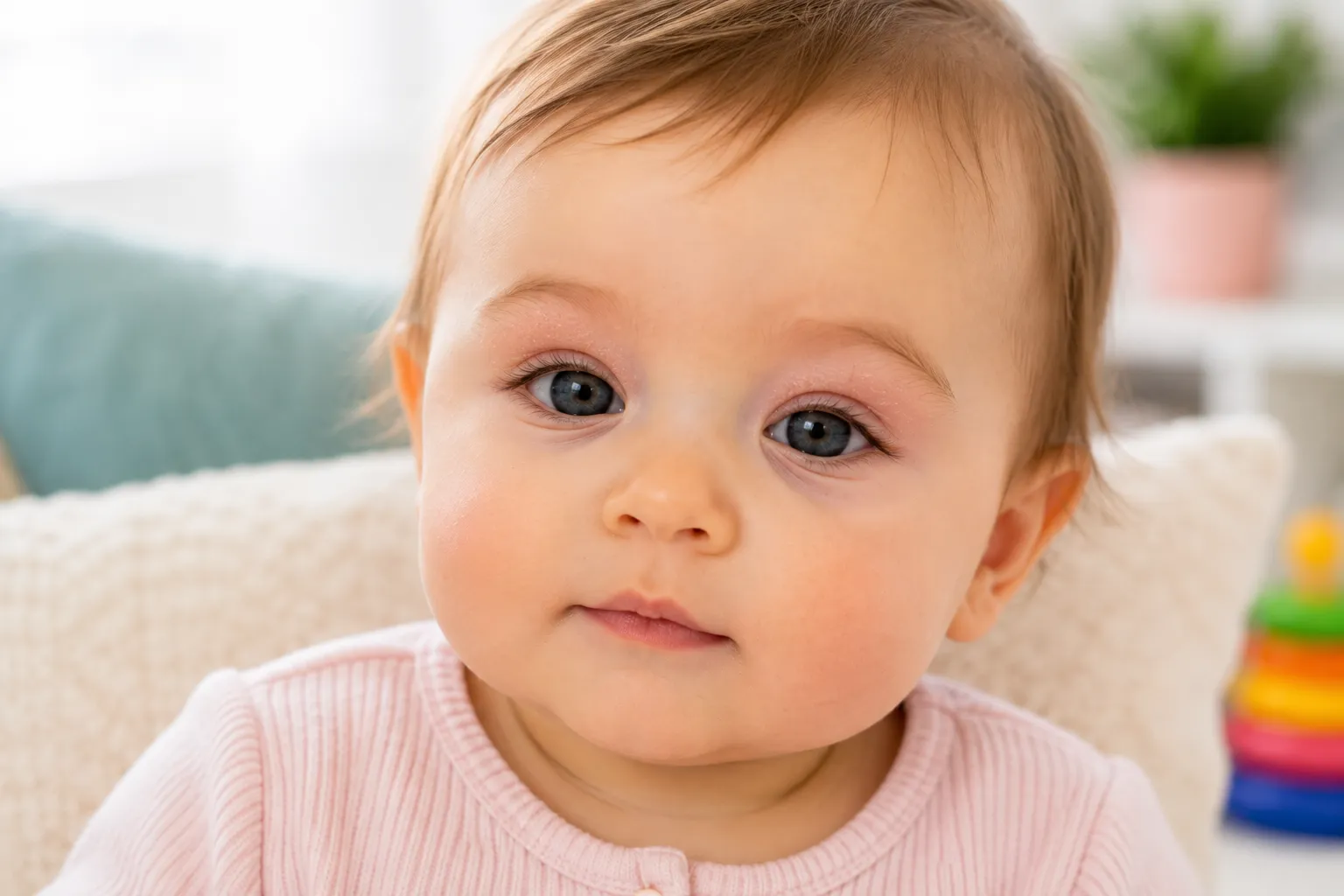
Dry, red eyelids on a baby can be difficult to ignore because the change sits so close to the eyes. A small patch of dryness can suddenly make the whole area look sore, swollen or irritated, and parents often worry that something more serious may be developing. In many cases, the problem may relate to dry skin, rubbing, tears, environmental exposure or irritation from something that has touched the area. However, the eyelids are different from ordinary skin on the arms or legs because they are thin, delicate and immediately beside the eye itself. That means parents should be more cautious about both the cause and what they apply there. The useful question is not only what the eyelids look like, but whether there are signs that the eye itself is involved.
A mildly dry eyelid and a significantly swollen, painful or weeping eyelid are not the same situation. Likewise, a baby rubbing tired eyes before sleep is different from a baby who cannot comfortably open one eye. The safest approach is to observe the pattern carefully, keep skincare simple and know which symptoms deserve medical attention. This article focuses on helping parents understand those distinctions without encouraging home diagnosis. When symptoms involve the eye itself, the threshold for professional advice should be lower than it would be for an ordinary dry skin patch elsewhere on the body.
Why Are Baby Eyelids So Easily Irritated?
The skin of the eyelids is naturally thin and exposed to constant movement. Every blink stretches and folds the skin, while tears, rubbing and washing can repeatedly wet the surface. Babies also touch their eyes frequently with hands that may carry saliva, food, skincare products or residue from toys and bedding. Even small amounts of friction can become noticeable when the skin is already dry. That combination can make the eyelids look red surprisingly quickly.
The area also receives little protection from environmental conditions. Cold air, wind, dry indoor heating and heat can all affect exposed facial skin. If your baby is generally prone to dryness, the eyelids may become involved alongside the cheeks, forehead or area around the eyes. This is why it helps to examine the whole face, not just the eyelids in isolation.
What Does Mild Dryness on the Eyelids Look Like?
Mild dryness may appear as fine flaking, a slightly rough texture or soft pinkness across part of the eyelid. The skin may look more noticeable after bathing, crying or rubbing but settle somewhat when the baby is calm. There may be no significant swelling, discharge or obvious pain. Sometimes both eyelids are affected in a similar way.
Even then, appearance alone cannot tell you exactly what is happening. Eczema prone skin, contact irritation, rubbing and other conditions can all create overlapping appearances. The most useful clues are how long the problem lasts, whether it keeps returning and whether anything else is happening to the eye. A simple dry patch that settles is very different from progressive inflammation.
Eye Rubbing Can Make Mild Dryness Look Much Worse
Babies rub their eyes for many reasons, including tiredness and self soothing. If the eyelids are already dry, repeated rubbing can rapidly increase redness and roughness. Fingernails may also create tiny scratches that make the skin look more inflamed. Parents may then assume the rubbing proves the eyelids are very itchy, when sometimes rubbing itself is helping create the visible irritation.
Watch when the behaviour occurs. Does your baby rub mainly when sleepy, or throughout the day? Does the rubbing stop once they are asleep? Are the eyelids already red before the rubbing begins? These observations can help you understand whether rubbing is more likely to be a trigger, a response or both. Our guide Why Does My Baby Rub Their Face Into the Mattress? explores how tiredness, self soothing, friction and skin discomfort can overlap.
Could Tears Be Irritating the Eyelids?
Tears repeatedly wet the eyelids and surrounding skin. A baby who has been crying often may therefore develop redness or roughness simply from frequent wetting and wiping. Parents naturally clean the tears away, but repeated wiping can add friction to already delicate skin. This can create another wet, wipe and dry cycle similar to what happens around the mouth with drool.
The important point is that tears themselves are normal, but persistent watering from one eye is worth noticing. If one eyelid stays irritated because the eye is constantly watering, the underlying reason for that watering may deserve assessment. Dry skin caused by repeated wetness should not distract from the possibility that the eye itself is contributing to the problem.
Persistent Watering From One Eye Is Different
If one eye waters much more than the other, especially over many days, do not assume the redness is simply dry skin. Some babies can have tear drainage issues or other causes of persistent watering. The surrounding eyelid skin may then remain damp and irritated. You may also notice crusting after sleep.
This does not mean you need to diagnose the cause yourself. It means the pattern is useful information for a healthcare professional. Note whether the watering is constant, whether discharge is present and whether the eye itself looks red. One-sided persistence deserves more attention than occasional ordinary tears.
Could Shampoo or Cleanser Be Reaching the Eyelids?
During bathing, shampoo and cleanser can travel across the forehead and into the eye area. Even when the product does not enter the eye, residue may remain on the eyelid skin. A baby may then rub their eyes with wet hands and spread it further. If the redness began shortly after introducing a new bath product, the timing is worth considering.
Try not to change several products at once. Observe whether symptoms consistently worsen after hair washing or bathing. Rinse carefully and follow the product directions. If the eyelids remain irritated despite a simple routine, professional assessment may be more useful than moving from one product to another.
Could Baby Wipes Be Part of the Problem?
Ordinary baby wipes are not necessarily intended for use directly on the eyelids. Ingredients vary, and even a product described as gentle can irritate if used repeatedly on delicate eye-area skin. The rubbing motion itself can also matter. Using wipes frequently to clean tears, food or sleep residue may add unnecessary friction.
If the eyelid needs gentle cleaning, use an approach appropriate for the eye area rather than assuming any baby product is suitable. Avoid scrubbing crusts or flakes away. Persistent discharge or material coming from the eye should be treated as an eye symptom rather than simply a cleaning problem. The closer you get to the eye, the less useful cosmetic experimentation becomes.
Could It Be Eczema on the Eyelids?
Eczema can affect the eyelids, particularly in children with recurring dry or itchy skin elsewhere. Redness, dryness and itching may be present, but those signs are not specific enough to confirm eczema at home. If your baby also has dry cheeks, recurring body patches or a wider eczema prone pattern, eyelid involvement may fit into that broader picture. However, a new red eyelid should not automatically be labelled eczema simply because the baby has dry skin elsewhere.
Our cornerstone article Baby Dry Skin vs Eczema: How Can Parents Tell the Difference? explains why recurrence, itching and distribution matter. Eyelids are a particularly sensitive location, so persistent symptoms are worth discussing with a healthcare professional. Diagnosis matters more here because treatment choices around the eye require greater care.
Could Contact Dermatitis Affect the Eyelids?
Yes, the eyelids can react to substances that come into contact with them. Possible exposures include shampoo, cleanser, moisturiser, sunscreen, wipes and products transferred from an adult’s hands. Because eyelid skin is thin, a reaction may appear there even when the same product does not obviously affect thicker skin elsewhere. The difficulty is that contact irritation can look very similar to eczema.
Our guide Baby Eczema vs Contact Dermatitis: What’s the Difference? explores those overlapping patterns. If a recently introduced product seems suspicious, stop applying it around the eye area and review the instructions. Do not immediately replace it with several unfamiliar products. Fewer variables make the skin’s response easier to interpret.
Products From Adult Hands Can Reach Baby Eyelids
Parents often think only about products directly applied to the baby. However, moisturiser, perfume, hair products or other substances on adult hands can be transferred during cuddling, feeding and face cleaning. The baby may then rub the eyelids and spread the exposure further. This can make the source difficult to recognise.
Think about what repeatedly touches your baby’s face. Has a new hand cream or fragranced product been introduced in the household? Does the baby rest against a particular fabric or caregiver’s skin? This does not mean every adult product is a problem. It simply broadens the list of exposures worth considering when irritation repeatedly returns.
Bedding and Sleep Can Affect the Eyelids
A baby’s face may remain against bedding for long periods during sleep. The eyelids and surrounding skin can be exposed to warmth, friction and detergent residue. If a baby rubs their face into the mattress or sheet while settling, the contact becomes even more repetitive. Saliva and tears can also make part of the bedding damp.
Compare how the eyelids look before and after sleep. Is one side consistently worse in the morning? Does your baby favour one sleeping position? Is there obvious face rubbing during settling? These patterns can identify friction as one piece of the problem even if it is not the only cause.
Could Cold Weather Make Eyelid Dryness Worse?
Cold air and wind can dry exposed facial skin. The eyelids receive little protection outdoors and can become rough alongside the cheeks and surrounding eye area. Indoor heating can then expose the skin to drier air for long periods. Babies already prone to dryness may show these effects more noticeably.
Seasonal changes can therefore provide a clue. If the eyelids repeatedly become dry during colder months and improve in warmer weather, environment may be contributing. That does not exclude eczema or irritation from products. It simply means the skin may be dealing with several pressures at once.
Can Heat Make the Eyelids Redder?
Heat can increase facial flushing and sweating. A warm baby may rub their eyes more because they are uncomfortable or tired. Sweat can also sting already irritated skin, especially if scratching has created tiny areas of damage. The eyelids may therefore look much redder during hot conditions without heat being the only underlying cause.
Our guide Why Does My Baby Itch More When Hot? explores how warmth can influence itching more broadly. Avoid unnecessary overheating and look at whether the redness settles when your baby is comfortably cool. Temperature is easy to overlook because it is not a skincare product, yet it can still influence how the skin feels.
What About Flaking Near the Eyebrows?
Some babies develop flaky skin around the eyebrows and upper eyelids alongside cradle cap or seborrhoeic dermatitis elsewhere on the scalp. If you also see obvious scalp scale, the areas may be related. However, thick scale, significant redness or discomfort still deserves proper assessment if it persists. Do not assume every eyebrow or eyelid flake is ordinary cradle cap.
Our guide Baby Eczema vs Cradle Cap: How to Tell Them Apart explains why scale, location and itching patterns matter. Several different skin conditions can affect nearby facial areas. The goal is not to label the problem from appearance alone but to recognise when the wider pattern needs professional interpretation.
Is One Red Eyelid More Concerning Than Both?
Not necessarily, but asymmetry can provide useful clues. Redness on both eyelids may fit with environmental dryness, rubbing or a broader facial skin pattern. A problem that persists on only one side may make local exposure, repeated friction, watering or another local issue more relevant. Neither pattern gives you a diagnosis.
Compare the two sides carefully. Is one eye watering? Is one eyelid more swollen? Is there discharge from one eye but not the other? These differences are useful information for a clinician and should not be ignored simply because the skin also looks dry.
Should You Put Moisturiser on a Baby’s Eyelids?
This is one area where parents should avoid making assumptions. A moisturiser that works well on a baby’s arms or cheeks may not be intended for application on the eyelids. Products can migrate into the eyes, particularly when babies rub their faces. Ingredients that are comfortable on ordinary skin may sting badly if they reach the eye.
Always follow the directions and warnings on the product. If a doctor or other appropriate healthcare professional recommends a particular product for the eyelid area, use it exactly as directed. Do not apply ordinary cosmetic products along the eyelid margin or close to the eyelashes unless they are specifically suitable for that use. The safest skincare around the eyes is the skincare you know is appropriate for the location.
Where Itch A Bye Fits Into This Discussion
Itch A Bye Baby Repair Cream was developed for babies and young children with dry, itchy and eczema prone skin, using our Skin Trifecta approach of Repair, Nourish and Defend. However, the eyelids and immediate eye area require extra caution with any skincare product. Follow product directions carefully and avoid direct contact with the eyes. A baby cream should never be used to diagnose or treat an unexplained eye problem.
For dry skin elsewhere on the face and body, supportive skincare may form part of a broader routine. The eyelids are different because product migration into the eye is possible and the cause of redness may involve more than ordinary dryness. When eyelid symptoms are persistent or significant, professional guidance should take priority over experimentation. Knowing where not to apply a product is just as important as knowing where it can help.
Steroid Creams Around the Eyes Need Professional Guidance
Parents sometimes already have a prescribed steroid cream at home for eczema elsewhere on the body. That does not mean it should automatically be used on the eyelids. The eyelid area is particularly sensitive, and treatment around the eyes should follow specific medical advice. Do not transfer a treatment plan from another part of the body to the eyelids without guidance.
This is especially important if symptoms keep recurring. Repeated self treatment can obscure the underlying pattern and create uncertainty about what is actually helping. If you believe the eyelids are affected by eczema, discuss the location specifically with your baby’s doctor or another qualified healthcare professional. The words around the eyes should always be part of that conversation.
What If the Eyelid Is Swollen?
Noticeable swelling changes the situation. Mild puffiness after crying may settle quickly, but persistent or increasing eyelid swelling deserves more attention. Swelling together with pain, significant redness, discharge, fever or a baby who seems unwell should not simply be treated as dry skin. The same applies if the eye is difficult to open.
The location matters because infection and other eye-area problems can occasionally progress quickly. Parents do not need to diagnose the cause before seeking help. Describe the swelling, when it began and whether it is getting worse. A swollen eyelid deserves a different level of caution from an ordinary flaky patch.
What If There Is Yellow Crusting?
A small amount of dried tear residue after sleep can occur in babies, but increasing crusting associated with redness, weeping or discharge deserves closer attention. Yellow or honey coloured crusting on broken skin can sometimes be associated with infection. Material coming from the eye itself also changes the picture. It should not simply be picked away repeatedly while the underlying issue is ignored.
Gently observe where the crust is coming from. Is it sitting on dry skin, or does it appear to originate from the eye? Is there redness in the white of the eye? Is the eyelid swollen or painful? These distinctions help a healthcare professional assess what is happening.
When Does Redness Become an Eye Problem Rather Than a Skin Problem?
A red eyelid does not necessarily mean the eye itself is affected. However, redness of the white of the eye, significant discharge, persistent watering, pain, light sensitivity or difficulty opening the eye moves the problem beyond ordinary skincare. An eye injury or chemical exposure should also be treated urgently according to appropriate medical guidance. These symptoms deserve assessment rather than repeated moisturising.
Parents often feel pressure to work out exactly what is wrong before asking for help. You do not need to. If something about the eye itself looks abnormal or your baby seems distressed, seeking professional advice is reasonable. The job at home is to recognise the boundary between mild skin irritation and symptoms that require examination.
Could Infection Be a Concern?
Broken, scratched skin can occasionally become infected, particularly when the area is repeatedly rubbed. Increasing warmth, swelling, pain, spreading redness, pus or significant crusting can all be warning signs. A baby who develops fever or appears generally unwell should also be assessed. Infection cannot reliably be diagnosed from an online description alone.
Our later guide Signs Scratched Baby Skin May Be Infected will examine these warning signs in more detail. Around the eye, however, the threshold for seeking advice should remain relatively low. The potential consequences of ignoring a worsening eye-area problem are greater than with a small dry patch on the leg.
Do Not Pick Flakes From the Eyelids
Flaky skin can tempt parents to remove it manually. Avoid picking or scraping at the eyelids. The skin is delicate, and pulling away attached flakes may create tiny areas of damage. Repeated rubbing with towels can do the same thing.
If the flakes are persistent, the more useful question is why they keep returning. Look at rubbing, bathing products, weather and the broader skin pattern. If the scale is significant or difficult to identify, seek advice. Removing the visible flake is not the same thing as addressing the cause of the dryness.
Keep Your Baby’s Nails Smooth
If your baby is rubbing or scratching the eyelids, sharp nails can quickly worsen the appearance. Keep fingernails appropriately trimmed and smooth. This reduces accidental damage without restricting your baby’s normal hand movement. It is especially useful when scratching happens during sleep or when the baby is tired.
Our guide Baby Scratching Until They Bleed? How the Itch Scratch Cycle Takes Over Sensitive Skin explains how repeated mechanical damage can keep irritated skin uncomfortable. The same principle applies around the eyelids, although greater caution is required because of the nearby eye. Reducing scratching damage helps, but you still need to understand why the baby is rubbing.
Avoid Changing Everything at Once
A red eyelid can trigger understandable anxiety, which often leads parents to overhaul the entire routine. Shampoo, moisturiser, detergent and wipes may all be changed within a day or two. If the skin improves, it becomes impossible to know which change mattered. If it worsens, the confusion increases.
When the symptoms are mild and there are no concerning eye signs, simplify rather than complicate the routine. Remove obvious unnecessary exposures and observe carefully. If symptoms do not settle, seek professional advice instead of cycling through more products. The eye area is not the ideal place for extensive trial and error.
A Simple Observation Checklist for Parents
Look at the eyelids in good light when your baby is calm. Note whether one or both sides are affected, whether the problem is dry, flaky, swollen or weeping and whether your baby seems uncomfortable. Check for persistent watering, discharge, redness of the eye itself and changes after sleep. Also notice when rubbing occurs.
Then look beyond the eye area. Are the cheeks dry? Is there cradle cap on the scalp? Are there other recurring itchy patches? Did you recently change shampoo, wipes or skincare? A short list like this can turn vague concern into useful information.
What Should You Tell the Doctor?
Explain how long the eyelid redness has been present and whether it is getting better or worse. Mention any watering, discharge, swelling, pain, rubbing or fever. Tell them whether one or both eyes are involved and whether your baby has similar skin problems elsewhere. Also mention new skincare, shampoo or other products.
Photographs taken in consistent lighting can sometimes help show how the problem changed over time. Do not worry about using the correct medical terminology. A clear sequence of events is more useful than guessing a diagnosis. Describe what you saw, when you saw it and what happened next.
When Should You Seek Medical Advice?
Seek medical advice when eyelid redness or dryness is persistent, repeatedly returning, worsening or associated with significant swelling, pain, discharge, crusting or difficulty opening the eye. Persistent watering from one side, obvious redness of the eye itself or a baby who appears generally unwell also deserves assessment. Any suspected eye injury or chemical exposure should be managed promptly according to appropriate medical guidance. If you are concerned about your baby’s vision or their ability to use the eye normally, do not treat the problem as ordinary dry skin.
The threshold for seeking help around the eyes can reasonably be lower than for many other areas of the body. A healthcare professional can look directly at both the eyelid and the eye and decide whether the problem is primarily skin related. Parents are not expected to make that distinction confidently at home. When the eye itself becomes part of the picture, professional assessment becomes the priority.
Look at the Wider Skin Pattern
A dry eyelid may be an isolated issue, or it may be one part of a broader pattern. Check the cheeks, forehead, scalp, around the mouth, behind the ears and other areas where dryness or itching can occur. Does your baby have one small facial patch or several recurring areas? Does heat, bathing or sleep seem to make symptoms worse?
This wider approach is central to Beyond the Skin Barrier: Uncovering the Hidden Roots of Dry, Itchy and Eczema Prone Skin. The book explores how developing skin, environment, itching, scratching and everyday exposures can interact rather than treating every visible flare as a completely separate mystery. It is written to help parents recognise patterns and ask better questions without encouraging self diagnosis. You can read the complete digital edition free at www.itchabye.com/free-book.
The Bottom Line on Dry, Red Baby Eyelids
A baby’s eyelids may become dry and red because of ordinary dryness, rubbing, tears, weather, shampoo or cleanser exposure, contact irritation, eczema prone skin or several pressures occurring together. Mild dryness without swelling, discharge or changes to the eye itself can often be observed carefully while keeping the routine gentle. The location, however, means parents should avoid casual experimentation with products that are not specifically appropriate around the eyes. Pay attention to whether one or both eyelids are affected and whether watering, crusting or discomfort is present.
Seek professional advice when redness persists, keeps returning or becomes associated with swelling, pain, significant crusting, discharge, spreading inflammation or changes involving the eye itself. Do not apply medications or cosmetic products to the eyelids simply because they were useful on another part of the body. Keep your baby’s nails smooth and minimise unnecessary rubbing or harsh cleansing. Around the eyes, the best approach is usually gentle observation, cautious skincare and a low threshold for asking for qualified help when the pattern does not look straightforward.
This article provides general educational information only. It is not intended to diagnose eczema, dermatitis, eye infection, allergy or any other medical condition and does not replace advice from your child’s doctor, pharmacist or another appropriately qualified healthcare professional.